
Are laser pointers bad for cats? How to play safely
Laser play can be great exercise for cats – or a source of frustration. What the risks really are, and a simple five-minute routine that keeps every game safe and satisfying.
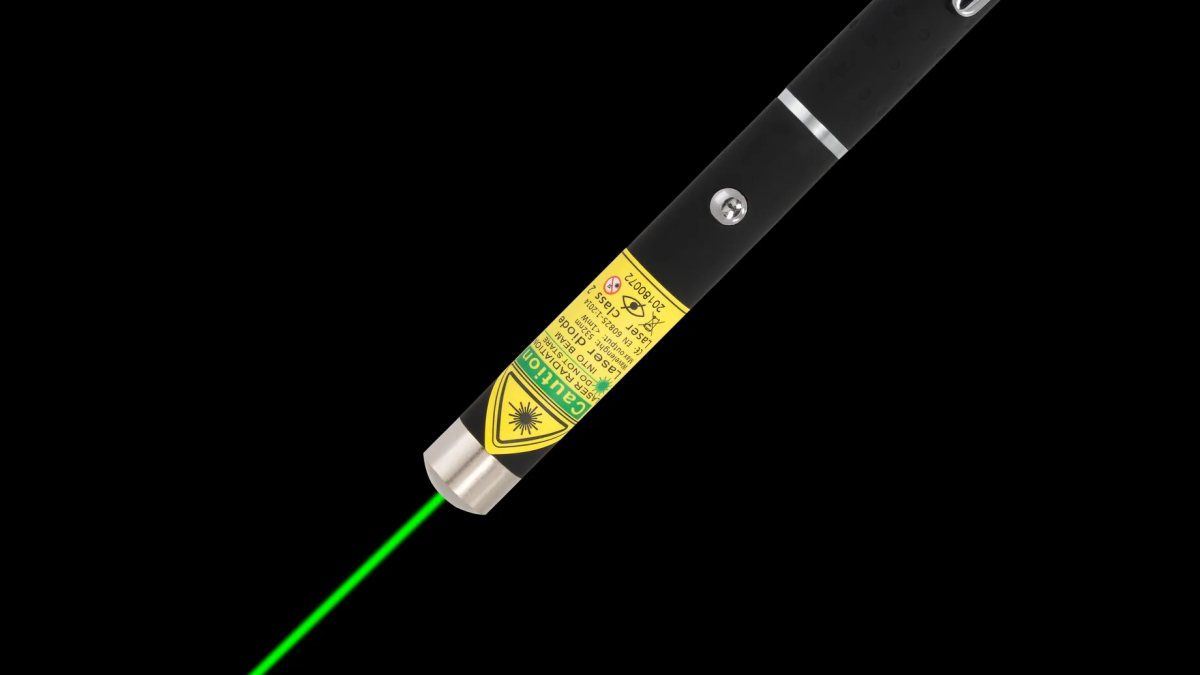
It is one of the most common questions we get from cat owners: "Are laser pointers bad for cats?" The short answer is no – if you use the right laser and play the right way. The longer answer is worth a few minutes of your time, because the way you finish a laser game matters more than how you start it.
Why cats love laser pointers
Cats are built to hunt small, fast things. A dot of light that zips across the floor, freezes, then darts under a chair is about as close to a mouse as you can get indoors. It switches on your cat's whole hunting toolkit: watching, crouching, wiggling, sprinting and pouncing.
For indoor cats especially, that is valuable. Many indoor cats do not get enough exercise or mental stimulation, and a short laser session is an easy way to get them running and thinking. It is also great fun for you – which is probably why "cat with laser pointer" videos are so popular.
The two real risks
Risk 1: the eyes
A laser beam should never be shone into anyone's eyes – human or animal. With a class 2 laser (output up to 1 mW), the risk from a brief accidental glance is low, because the natural blink and aversion reflexes help protect the eye. But "low" is not "none", and cats do not always look away the way people do. More powerful lasers – the kind sometimes sold online with exaggerated milliwatt claims – are a different story entirely and have no place in a home.
The fix is simple: keep the dot on the floor and low on walls, and never bring it up towards your cat's face. Avoid mirrors, glass doors, shiny tiles and windows, where the beam can reflect unpredictably.
Risk 2: frustration
The second risk is behavioural. A laser dot can never be caught. If every game ends with your cat pouncing on nothing, some cats become restless, frustrated or fixated on lights and reflections – in extreme cases what owners call laser pointer syndrome. The good news: this is easy to prevent.
A simple five-minute routine
- Warm up (30 seconds). Put the dot on the floor a little way from your cat and wiggle it slightly. Let your cat notice it and start to stalk.
- Chase (2–3 minutes). Move the dot like prey: short dashes along the floor, pauses, a quick hide behind a table leg. Vary the speed. Let your cat get "nearly there" now and then. Keep it low at all times.
- Slow down (1 minute). As your cat starts to pant or slow, make the movements smaller and slower – a wounded mouse rather than a fresh one.
- The catch. Lead the dot onto a real toy – a toy mouse, kicker or feather – and switch the laser off at the moment it lands. Let your cat pounce and grab the toy.
- Reward. Many owners follow with a small treat or a meal. Hunt, catch, eat, groom, sleep: that is a cat's natural rhythm.
Then put the laser away, out of sight and out of reach of children. A laser is not a toy – you hold it, your cat plays.
How often?
One or two short sessions a day is plenty for most cats. Watch your individual cat. If it is still searching for the dot long after the game, or it starts chasing reflections from your watch, cut back and spend more time with toys it can catch.
Kittens, older cats and multi-cat homes
Kittens love laser play, but tire quickly – keep it very short and end with a toy. Older cats may prefer slower movements and shorter distances; a gentle game is still good exercise. In multi-cat homes, watch that one cat does not dominate or that the excitement does not spill into squabbles; some owners use two toys at the "catch" moment so everyone wins.
Which laser is best for cats?
You do not need power or range for cat play. You need a clear dot, a comfortable grip and a safe output. All our lasers are class 2 with an output up to 1 mW – the class intended for sale to the public in the UK.
- M1 red laser pen – the classic red dot, slim, runs on AAA batteries.
- X1 green laser pen – a bright green dot that stands out on busy carpets and rugs.
- G3 Pro – rechargeable with two safety keys, so nobody else can switch it on.
Use a single dot, not a pattern cap or lens – one clear target is what your cat needs.
Red or green: can cats see the colour?
Cats see colour differently from us and are thought to be less sensitive to red. But a laser game is all about movement and contrast, and cats track a moving dot of either colour very well. Pick the one you prefer; green looks brighter to human eyes, red is the classic.
Common mistakes to avoid
- Ending the game by simply switching the laser off – always finish on a toy.
- Moving the dot up walls and onto furniture where your cat could fall or crash while leaping.
- Playing for too long; a short burst beats a long, exhausting chase.
- Leaving the laser where children or visitors can pick it up.
The verdict
Laser pointers are not bad for cats – careless laser play is. Keep the dot low, never in the eyes, keep sessions short and always end with a real catch. Do that, and a laser pointer is one of the easiest ways to keep an indoor cat fit and happy.
Read more in our cat laser pointer guide, or check the general laser pointer safety page.
More articles
Blog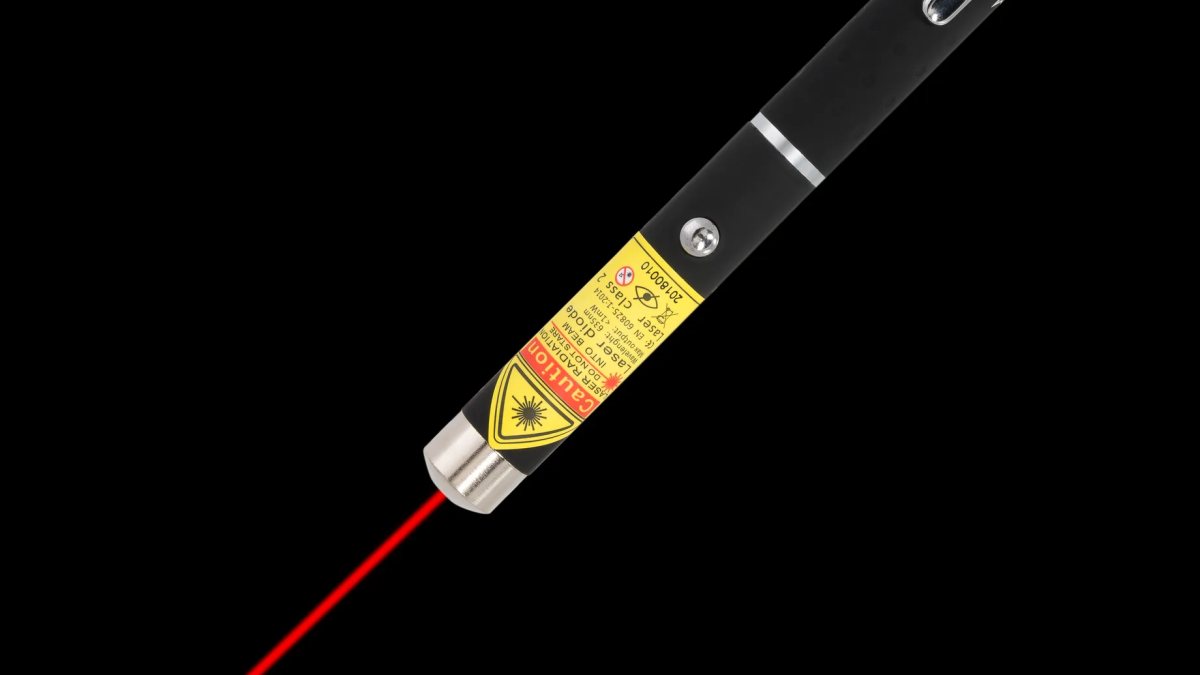
Laser pointer syndrome: what it is and how to prevent it in cats and dogs
Some pets become fixated on lights and shadows after lots of laser play. What laser pointer syndrome is, the s…
Laser pointers and dogs: should your dog chase the dot?
Many dogs go wild for a laser dot – but for some, it becomes an obsession. When a laser pen for dogs is fine,…
How to use a laser pointer in a presentation (without distracting your audience)
A laser pen can make your slides easier to follow – or turn them into a light show. Practical tips for pointin…