
Laser pointers and dogs: should your dog chase the dot?
Many dogs go wild for a laser dot – but for some, it becomes an obsession. When a laser pen for dogs is fine, when it is not, and better games to play instead.
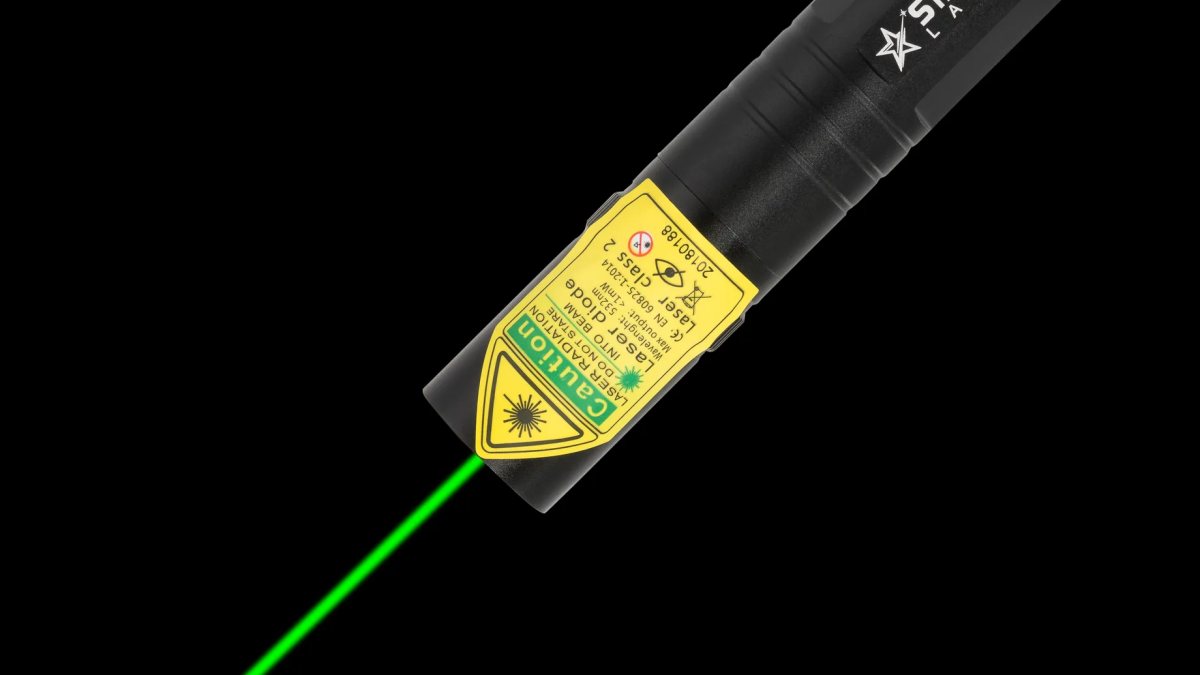
Cats and laser pointers are a famous combination. Dogs and laser pointers? That is a more complicated story. We sell class 2 laser pointers and are happy to recommend them for cat play, but when customers ask us about a laser pen for dogs, our advice is more careful. Here is why – and what to do instead.
Why dogs react so strongly
Dogs are built to chase, but most of them are also built to catch, carry, tug or shake. Think of a retriever bringing back a ball, a terrier shaking a toy, or a collie rounding up anything that moves. The chase is only half the game; the reward is in what comes next.
A laser dot gives a dog the chase without the second half. Many dogs simply get bored of it. But some – especially those with strong herding or hunting instincts – become intensely focused on the light and keep searching for it, even when the laser is put away. That is the pattern owners call laser pointer syndrome.
Which dogs are most at risk?
- Herding breeds such as Border Collies, Australian Shepherds and Belgian Shepherds, which are bred to watch movement intently.
- High-drive working dogs such as Malinois and many working-line gundogs and terriers.
- Anxious or under-stimulated dogs that already show repetitive behaviours like tail chasing or shadow chasing.
- Young dogs still learning to settle and switch off.
That does not mean every collie will become obsessed, or that a laid-back Labrador never will. It means the risk is real enough to take seriously.
Signs your dog is getting fixated
- Staring at the floor, wall or ceiling where the dot appeared, long after the game.
- Chasing reflections from watches, phones or sunlight, or snapping at shadows.
- Whining, trembling or getting frantic when you reach for the laser – or for anything that looks like it.
- Struggling to settle, or ignoring toys and food in favour of "looking for the light".
If you see these signs, stop laser games straight away. If the behaviour does not improve, or it is affecting your dog's eating and sleeping, speak to your vet, who can refer you to a qualified behaviourist.
If you do use a laser with your dog
Some owners use a laser occasionally with a calm, easy-going dog without any problems. If you choose to, follow these rules:
- Use a class 2 laser only – output up to 1 mW. All our lasers are class 2, the class intended for sale to the public in the UK. Never use a high-powered laser near animals.
- Keep the dot on the ground and never anywhere near your dog's eyes or on reflective surfaces.
- Keep it short – a minute or two, not a marathon.
- Always end with a real catch: lead the dot onto a ball or tug toy, switch the laser off and let your dog grab it. Then play tug or fetch for a while.
- Make it rare: an occasional extra, not a daily routine.
- Never use it to "tire out" an over-excited dog – it tends to wind them up further.
Better games for most dogs
Flirt pole
A toy on a rope attached to a pole. It has all the chase excitement of a laser dot, but your dog gets to catch it, tug it and "win". It is also a great way to practise "wait" and "drop".
Fetch and tug
Classic for a reason: chase, catch, carry, return. Add a few obedience cues in between throws to work the brain as well as the legs.
Scent games
Hide treats around the house or garden and let your dog sniff them out. Ten minutes of sniffing can tire a dog more than half an hour of running – and it is calming rather than exciting.
Food puzzles
Snuffle mats, puzzle feeders and stuffed chew toys give your dog something to work at and finish.
A simple flirt-pole routine
If you want something that scratches the same itch as a laser, try this. Ask your dog to sit and wait. Release with a cue, then drag the toy along the ground in wide, low arcs so your dog chases. After a few seconds, let your dog catch it and enjoy a short tug. Ask for a "drop", pause for a calm moment, and repeat. Three or four rounds are plenty. Your dog gets the chase, the catch and the win – and learns to switch off between rounds, which is exactly what a laser game does not teach.
What about homes with a cat and a dog?
If you play laser games with your cat, keep the dog out of the room. Watching the dot without being allowed to chase it can be frustrating for a dog, and the excitement can turn a peaceful household lively in all the wrong ways. Afterwards, put the laser away out of sight – and out of reach of children, as a laser pointer is not a toy.
Our honest advice
For cats, a laser pointer used with care is a brilliant way to play together. For dogs, we recommend starting with games that give a real catch, and using a laser only rarely, briefly and with a toy at the end – or not at all if your dog is a herding or high-drive breed.
Read our full guide to laser pointers for cats and dogs, and see the laser pointer safety page for the basics of safe use around the home.
More articles
Blog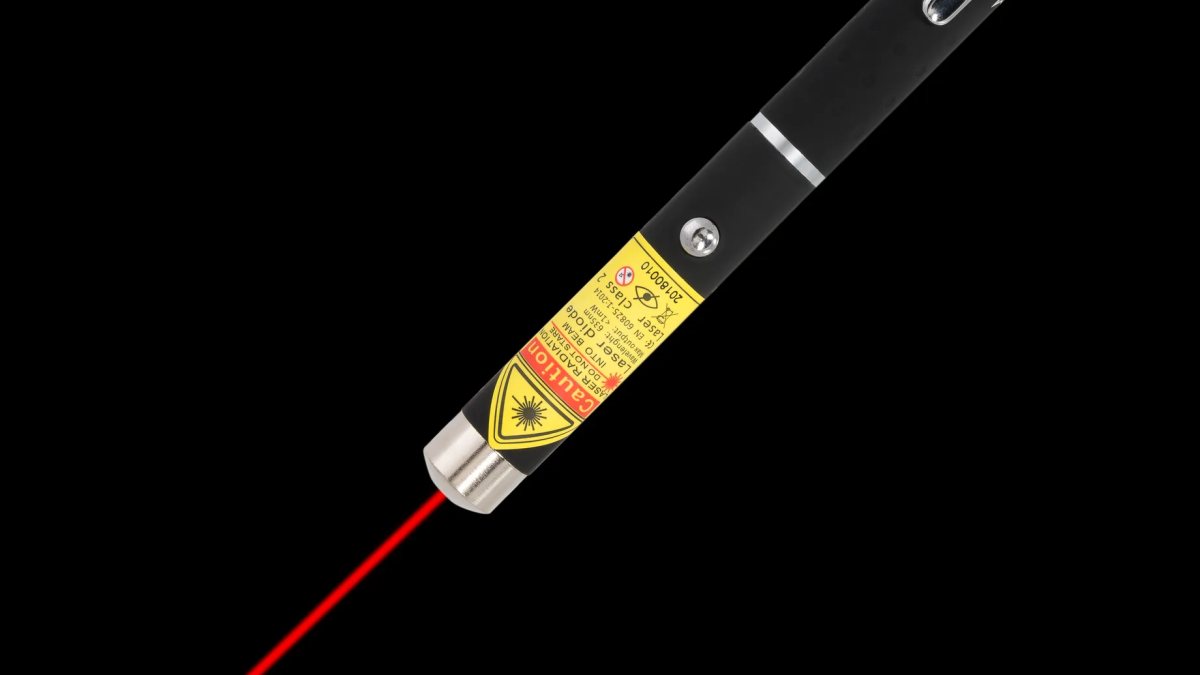
Laser pointer syndrome: what it is and how to prevent it in cats and dogs
Some pets become fixated on lights and shadows after lots of laser play. What laser pointer syndrome is, the s…
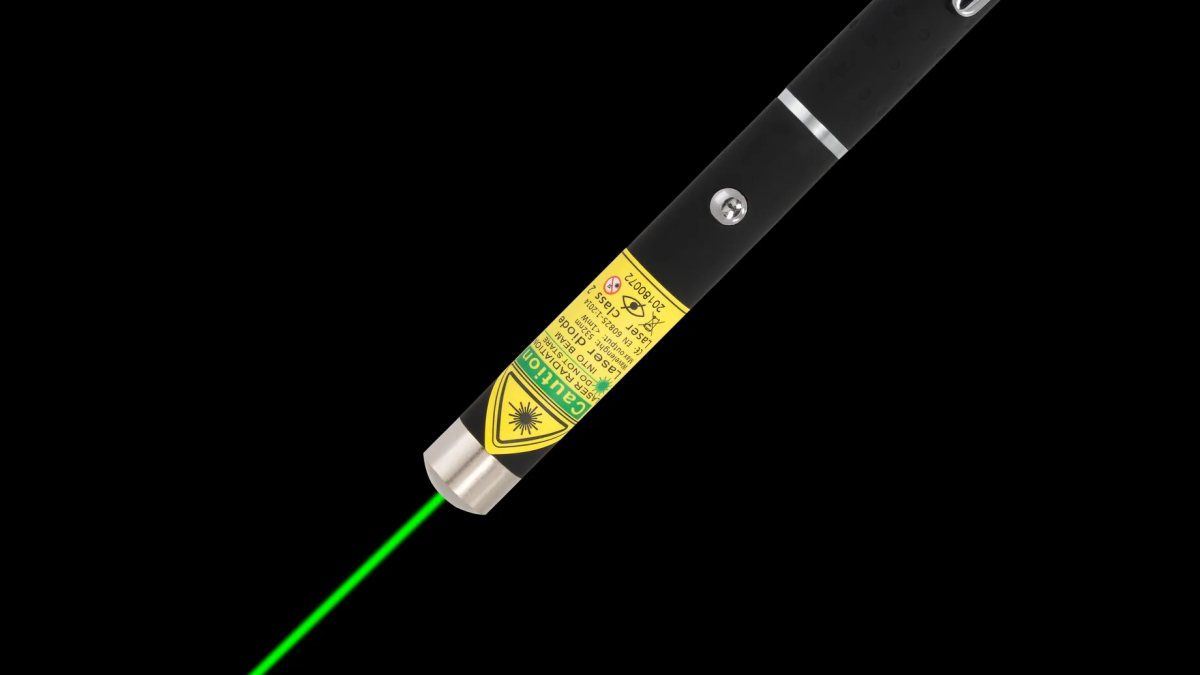
Are laser pointers bad for cats? How to play safely
Laser play can be great exercise for cats – or a source of frustration. What the risks really are, and a simpl…
How to use a laser pointer in a presentation (without distracting your audience)
A laser pen can make your slides easier to follow – or turn them into a light show. Practical tips for pointin…